Part of the Backyard Transformation Series
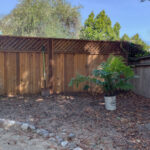
The last piece of the perimeter project was the back corner. While the rest of the fence line was coming together nicely, that corner had a shrub in it that was suited for sunnier conditions. It sat in low light, the foliage drooped, and the issue was a mismatch between plant and environment. I pulled it and replaced it with the Hope Philodendron — and the corner is now one of my favorite spots in the yard.
Here’s why that plant and why it works so well there.
Understanding the Corner
The back fence corner gets very limited direct sun. Neighboring trees and the fence line block light for most of the day. Most flowering shrubs and a lot of common garden center plants are selected for part to full sun — so the shaded corner needed something specifically adapted to low light.
Plants in insufficient light stretch toward whatever source is available, which produces thin, leggy growth and drooping foliage. That’s exactly what the previous shrub was showing. The environment was the variable, and finding a plant adapted to it was the fix.
Why the Hope Philodendron
After researching shade-tolerant plants for Oakland’s climate, I landed on the Hope Philodendron (Thaumatophyllum bipinnatifidum). In its natural habitat it grows on the floor of tropical forests, under dense canopy with very little direct light. Shade is its native condition — which made it the obvious choice for this corner.
A few specifics that sealed it for me:
It’s a non-climbing variety. Unlike vining philodendrons, the Hope grows as a contained clump. It spreads gradually outward rather than climbing or sprawling, which is exactly what I needed for a defined corner planting.
It gets substantial. At maturity it reaches about 4 feet tall and 4 feet wide, with individual leaves growing to 12 to 18 inches. Bold, architectural, and interesting through foliage alone.
It’s rated for USDA zones 9 to 11. Oakland is zone 10a, so it works as an outdoor perennial here. The sheltered corner against the fence adds extra protection from the occasional cold snap.
Planting It
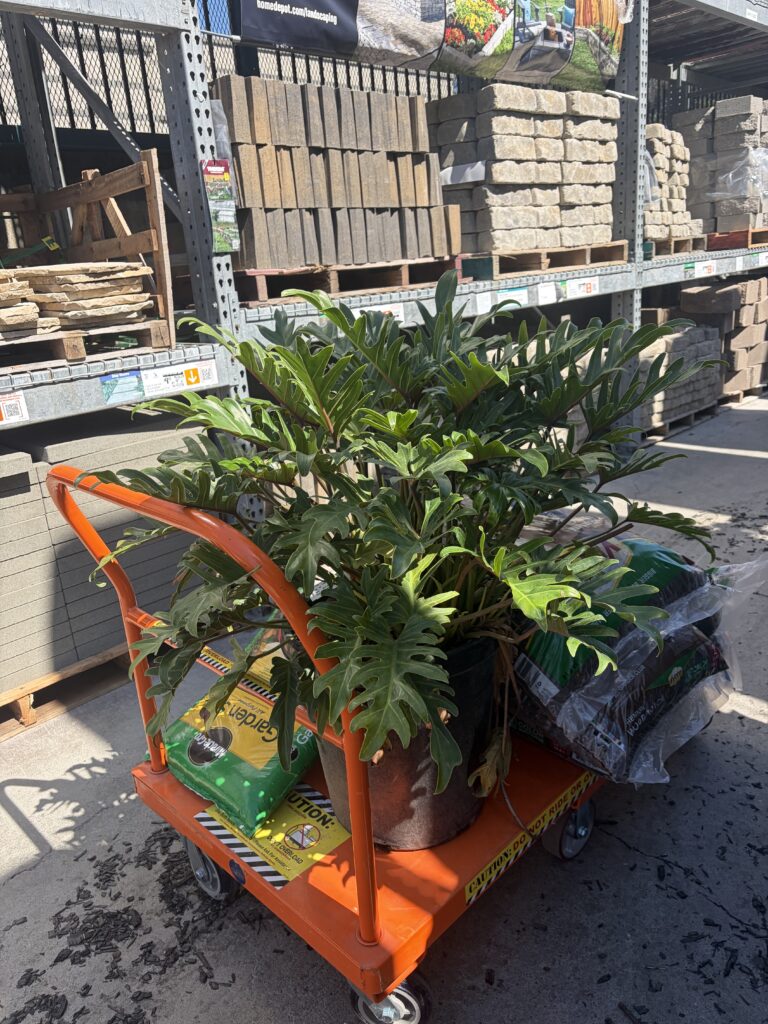
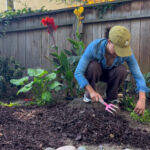
I picked it up at Home Depot along with fresh garden soil to amend the planting hole. The philodendron establishes well in loose, well-draining soil, and working that into the existing compacted ground before planting gives the roots a much better start. The mulch already in the bed helps retain moisture around the root zone while it settles in.
A few things worth knowing for the establishment period:
Water consistently through the first season. Once established it’s pretty low maintenance, but regular water in those first months supports healthy root development.
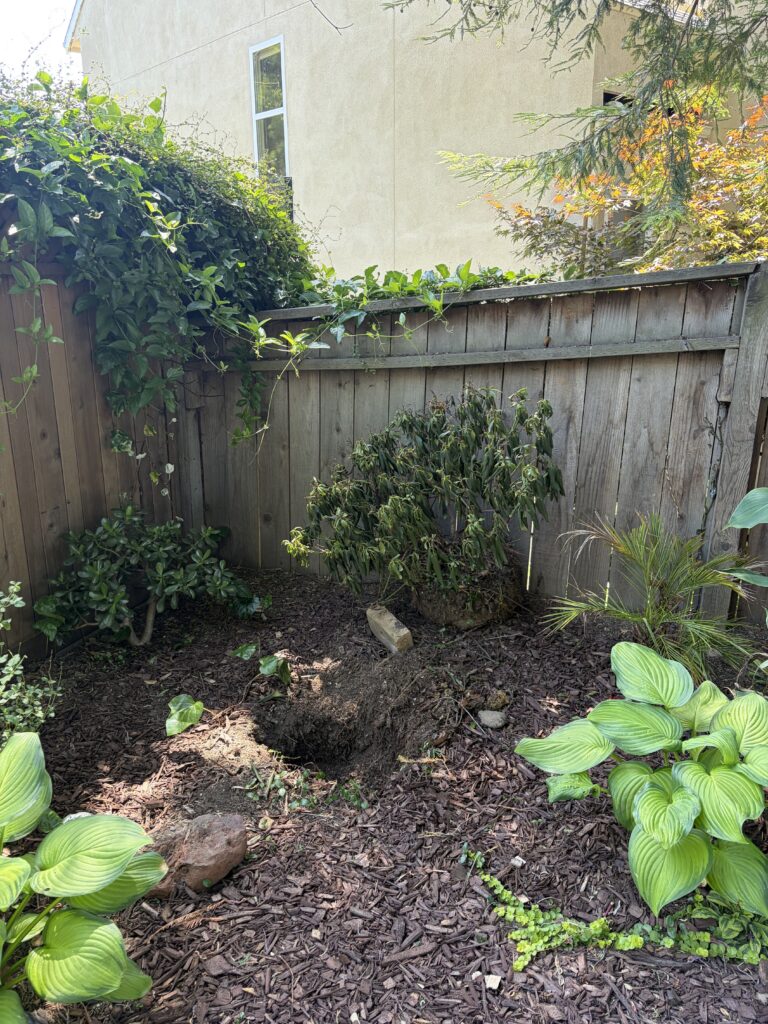
Give it room. At 4 feet wide at maturity, I planted it with that final size in mind rather than how it looks coming out of the nursery pot.
If temperatures drop unusually low, a layer of frost cloth overnight protects the foliage. The fence provides good shelter but it’s good to know.
How the Corner Reads Now
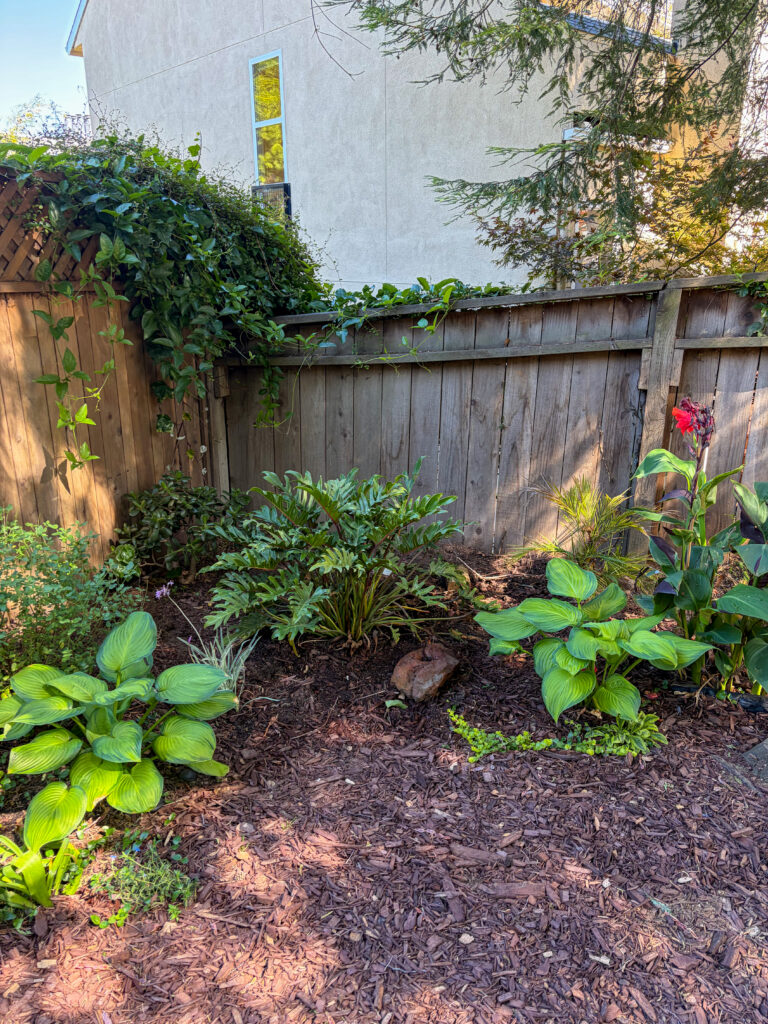
The Hope Philodendron sits center in the corner with hostas on both sides. The hostas were already there and thriving — their broad, ribbed leaves are a great textural complement to the philodendron’s deeply lobed foliage. A canna lily to the right adds height and a pop of red. A climbing vine along the fence behind fills in the vertical space.
It’s layered, lush, and the plants are all well suited to the conditions they’re growing in. That’s the whole point.
The Takeaway
Matching plant to environment matters more than any other variable. A plant well-suited to its conditions will outperform a mismatched one that gets twice the care.
For shaded corners in zones 9 to 11, the Hope Philodendron is a strong, low-maintenance choice with real visual impact. The bold tropical foliage look is having a big moment in garden design right now, and this plant delivers it reliably in low light.
This post is part of my Backyard Transformation Series. Read the full series overview here, or go back to: Polishing Touch on Backyard Update: Mulch With Me.
Shop this post:
- Hope Philodendron — available at Home Depot garden centers
- Hosta varieties — widely available at nurseries in spring
- Canna Lily bulbs — widely available in spring
Growing something in a shady spot? I’d love to hear what’s working for you — leave a comment below!