Table of Contents
- Introduction
- Why Seasonal Maintenance Matters
- How to Build a Simple Maintenance Calendar
- Spring Home Systems Checklist
- Summer Home Systems Checklist
- Fall Home Systems Checklist
- Winter Home Systems Checklist
- Monthly Tasks That Should Not Be Skipped
- When to Call a Professional
- Common Questions About Home System Maintenance
- Wrap-Up
Highland Park homeowners contend with Lake Michigan weather patterns, wet spring conditions, humid summers, falling leaves, and winter freezes that can put steady pressure on plumbing, heating, cooling, and drainage systems. A simple seasonal routine helps catch minor concerns before they interrupt daily life or become expensive cleanup projects.
Whether you live near downtown, in an older neighborhood, or in a newer home farther west, it helps to know when a visual check is enough and when a local plumber Highland Park, ILshould investigate a persistent issue. The goal is not to turn every homeowner into a technician. It is about creating habits that protect the home, conserve water, and reduce the likelihood of emergencies.
Why Seasonal Maintenance Matters
Home systems rarely fail without warning. A damp cabinet floor, reduced airflow, a toilet that occasionally runs, or a drain that starts gurgling can all signal a developing issue. Routine attention is especially valuable in Highland Park, where cold snaps can threaten exposed plumbing and heavy rain can test sump pumps, gutters, and drainage around the foundation.
Spreading tasks across the year makes maintenance manageable. The EPA’s practical tips for maintaining water-using fixtures and systems also encourage regular checks for leaks, water pressure issues, and problems with toilets, faucets, and water heaters. Prioritize safety first, then water-damage prevention, then comfort and equipment reliability.
How to Build a Simple Maintenance Calendar
A useful plan should fit the home’s age, equipment, household size, and budget. Start with a short list that you will actually complete.
- List major systems, including heating, cooling, water heater, sump pump, plumbing shutoff, appliances, and drainage.
- Record model numbers, installation dates, warranties, and past repairs.
- Review owner manuals for required maintenance and filter sizes.
- Set reminders for seasonal checks and for periods when extreme heat or freezing weather are most likely.
- Keep inspection reports, receipts, and replacement estimates in one digital folder.
Spring Home Systems Checklist
Plumbing and Water Systems
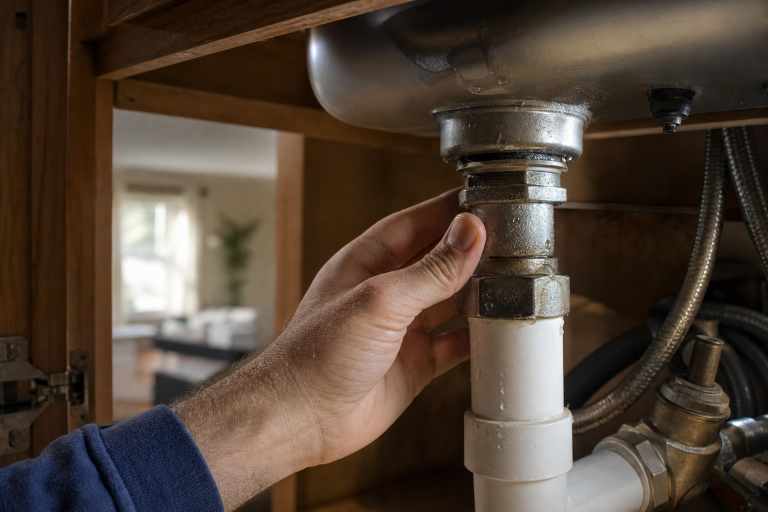
- Look beneath sinks, around toilets, and behind appliances for moisture, staining, or corrosion.
- Test the main water shutoff valve to ensure it is not stuck in an emergency.
- Reconnect outdoor hoses carefully and check hose bibs for drips after winter.
- Test the sump pump before spring rain becomes frequent.
- Check basement walls and floor edges for new moisture after storms.
Cooling Preparation
- Replace or clean the HVAC filter.
- Clear leaves, twigs, and stored items away from the outdoor condenser.
- Confirm supply and return vents are open and unobstructed.
- Test the thermostat before the first warm stretch.
- Watch for water around the indoor cooling equipment or condensate line.
Spring is the right time to identify damage caused by freezing temperatures or prolonged inactivity. Testing systems before demand rises can provide more time to address a problem.
Summer Home Systems Checklist
Cooling, Plumbing, and Drainage
- Check HVAC filters every 30 to 90 days, depending on the filter type, pets, and household conditions.
- Keep furniture, rugs, and storage bins away from vents.
- Pay attention to uneven temperatures, weak airflow, new noises, or repeated breaker trips.
- Inspect washing-machine hoses for cracking, bulges, or loose connections.
- Clean visible drain screens and respond early to slow drainage or sewer odors.
A small puddle near a washing machine may seem harmless, but it can reveal a worn supply hose or connection. Addressing that discovery early is far easier than dealing with a flooded laundry area.
Fall Home Systems Checklist
Heating and Outdoor Preparation
- Replace the heating filter and test the thermostat and the full heating cycle.
- Keep registers, radiators, and return vents clear of furniture.
- Listen for rattling, banging, short cycling, or unfamiliar odors.
- Disconnect garden hoses and protect outdoor plumbing before freezing temperatures arrive.
- Inspect crawl spaces, garages, basements, and utility areas for drafts and moisture.
- Check the water heater area for corrosion, leaks, or unusual sounds.
Fall preparation is particularly important for Highland Park homes with pipes near exterior walls, attached garages, or unheated lower levels. Waiting for the first hard freeze can turn a basic inspection into an urgent repair.
Winter Home Systems Checklist
Prevent Frozen Pipes
- Keep indoor temperatures steady during cold weather, including when traveling.
- Open cabinet doors beneath sinks on exterior walls to improve air circulation.
- Insulate accessible pipes in unheated areas.
- Allow a vulnerable faucet to drip during severe cold when appropriate for the home.
- Know the location of the main water shutoff before an emergency.
Respond to a Frozen Pipe
- Shut off the main water supply if a pipe has burst or is actively leaking.
- Open nearby faucets to relieve pressure.
- Move belongings and electronics away from standing water.
- Use gentle heat only on an accessible pipe, and never use an open flame.
- Seek professional help for hidden, split, or difficult-to-reach pipes.
Monthly Tasks That Should Not Be Skipped
- Check under sinks for dampness, mineral deposits, or staining.
- Inspect the water heater area and test the sump pump when it is safe to do so.
- Look at the water meter when no fixtures are running.
- Test smoke and carbon monoxide alarms.
- Replace dirty HVAC filters.
- Use a dye test to check toilets for silent leaks.
An unexplained increase in water use can point to a hidden leak. Homeowners can compare bills, monitor the meter, and consider devices that monitor unusual water flow or moisture when leak prevention is a priority.
When to Call a Professional
Visual inspections and straightforward cleaning are reasonable homeowner tasks. Professional evaluation is the safer choice when water appears behind a wall or ceiling, sewer backups recur, water pressure changes suddenly, heating or water-heating equipment makes unusual noises, a cooling unit repeatedly trips a breaker, or a sump pump fails during wet weather. Treat a gas odor, a major leak, a sewage backup, or a loss of heat during dangerous winter conditions as urgent.
Common Questions About Home System Maintenance
How Often Should a Home Be Inspected?
Perform quick visual checks throughout the year, with deeper seasonal reviews before summer cooling and winter heating. Manufacturer instructions, equipment age, prior repairs, and the home’s layout should guide annual service decisions.
Should Homeowners Flush a Water Heater?
Sediment can accumulate in storage water heaters. Follow the manufacturer’s instructions, and avoid working on hot, pressurized equipment unless you understand the procedure and can do it safely.
What Should Be Done After Moving Into a Home?
Locate the water, gas, and electrical shutoffs; replace HVAC filters; test alarms; inspect visible plumbing connections; record the water heater age; and gather available service records. These steps create a reliable starting point for year-round care.
Wrap-Up
Seasonal home maintenance does not have to be complicated. Regular checks throughout spring, summer, fall, and winter can help Highland Park homeowners identify leaks, drainage concerns, heating and cooling problems, and other issues before they become larger repairs. Keeping a simple maintenance calendar, watching for early warning signs, and knowing when to call a professional can help protect the home and keep essential systems operating reliably throughout the year. A few minutes of attention each month can make it easier to prepare for changing weather and respond quickly when something does not look right.