Key Takeaways
- Low-maintenance housing can create more time for parks, trails, travel, and local activities.
- A convenient location should support errands, commuting, transit access, recreation, and long-term needs.
- Townhomes can offer private living space and useful storage while reducing some exterior upkeep responsibilities.
- HOA fees, insurance, parking, rules, and reserve planning all belong in the full housing budget.
- Buyers should visit communities at different times and review governing documents before making an offer.
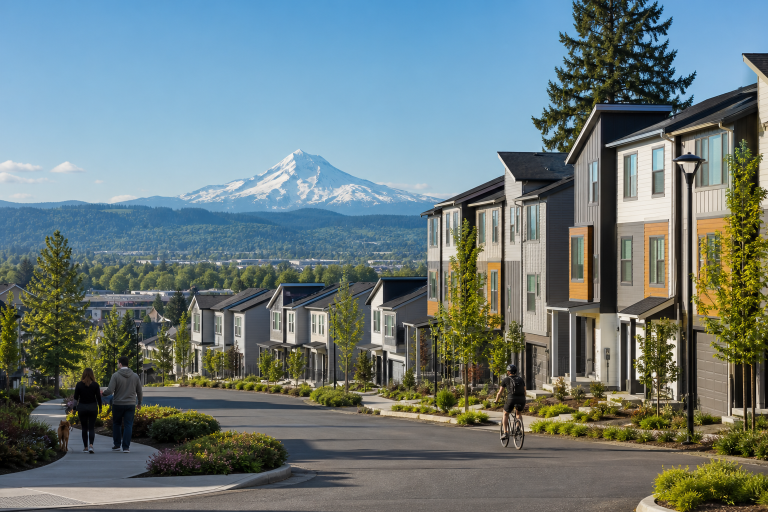
For buyers who would rather spend weekends exploring than mowing, repairing fences, or managing a large yard, a thoughtfully planned townhome can be a practical fit. In Gresham, Powell Crest is a David Weekley Homes townhome community in the Powell Valley neighborhood, designed for buyers seeking a lower-maintenance lifestyle near the wider Portland area. David Weekley Homes is an experienced new-home builder serving the Portland market, and the community page outlines townhome options with front-lawn maintenance included, access to shopping and transit, and connections to destinations such as Mount Hood, the Sandy River Delta, and the Columbia River Gorge. Low maintenance does mean no maintenance. Every homeowner should still plan for interior repairs, appliance replacement, utilities, insurance, seasonal upkeep, and shared community costs. The goal is not to find a home that removes every responsibility. It is to choose a home whose responsibilities better match your time, budget, and preferred routine.
Why Low-Maintenance Living Matters
A low-maintenance home can be especially appealing to busy households, frequent travelers, remote workers, downsizers, and buyers who want more control over how they use their free time. Less yard work may make it easier to take a weekend trip, host friends, pursue hobbies, or enjoy a quieter Saturday. Attached housing is not automatically the right answer for every buyer. Some people value a larger private yard, greater separation from neighbors, or complete control over exterior changes. Still, a townhome may offer a useful middle ground for people who want multiple bedrooms, a garage, and defined private space without having to take on every outdoor task alone.
How Outdoor Access Shapes Daily Life
Nearby recreation has practical value when it is easy to use. A trail within a short drive, a playground on the way home, or a dog-friendly open space near the neighborhood can help outdoor time become part of an ordinary week rather than an occasional special event. Portland-area buyers have many options to consider, from neighborhood parks to larger regional destinations. The reach of Portland’s park system helps illustrate why location and recreation often go together. The city ranked ninth among the nation’s 100 most populous cities in the 2026 ParkScore index, with hundreds of parks, gardens, and natural areas, as well as extensive regional trails.
Outdoor Features Worth Checking
- Walking, running, and biking routes
- Playgrounds, sports fields, and picnic areas
- Dog parks, natural areas, and open green space
- River access and trail connections
- Transit options that reach parks and activity centers
- Shade, seating, lighting, restrooms, and parking
Portland-Area Location Factors
Outdoor access is important, but it is only one part of a functional location. A home should also make routine tasks manageable. Consider grocery stores, health care, schools, work, public transit, airport access, and the places you visit most often. A slightly smaller home in a well-connected location may support daily life better than a larger home that adds time to every errand. Regional amenities can also evolve. Recent investments in parks and nature support projects across Greater Portland aim to improve access, restoration, and community connections. Buyers should evaluate what exists today while also keeping an eye on planned infrastructure and public-space improvements.
A Simple Five-Part Rating System
- Daily convenience: Can you reach groceries, services, and essentials easily?
- Commute and transit: Does the location work for current and possible future travel needs?
- Parks and trails: Are outdoor spaces close enough to use regularly?
- Maintenance: Which exterior and shared tasks are handled by the owner or association?
- Budget fit: Does the total monthly cost leave room for savings and recreation?
What Townhomes Can Offer
Townhomes often use space efficiently. Many include two or more levels, separate sleeping areas, flexible rooms for guests or remote work, and garage parking. Shared community responsibilities can reduce the amount of exterior work an owner must manage personally, although the exact arrangement depends on the association and property documents. Tradeoffs deserve equal attention. Shared walls make sound quality and construction details important. HOA rules may affect pets, exterior changes, rentals, parking, or business activity. Private outdoor areas can be smaller, and monthly dues may increase over time. Carefully touring the home and reading the rules before committing can prevent surprises later.
Costs, HOA Fees, and Maintenance Duties
Compare total monthly costs, not just the list price or mortgage estimate. A lower-maintenance home may have HOA dues, but a detached home can require separate spending on landscaping, exterior repairs, tools, and larger yard projects. Neither approach is automatically less expensive, so the comparison should reflect your actual priorities.
- Mortgage payment and property taxes
- Homeowners insurance and any association insurance requirements
- HOA dues and reserve contributions
- Utilities, internet, parking, and storage costs
- Expected repair and appliance-replacement savings
- Fuel, transit, and time costs for commuting and recreation
Before making an offer, request the HOA budget, reserve study, insurance information, recent meeting notes, governing documents, and any notices of planned work. These materials can reveal upcoming assessments, deferred maintenance, or restrictions that may not be obvious during a showing.
How to Compare Communities
- Define the lifestyle goal. Identify whether your priority is less yard work, more recreation, a shorter commute, or a smaller overall footprint.
- Map the weekly routine. Measure real travel times to work, school, groceries, health care, transit, and outdoor destinations.
- Visit at different times. Check weekday traffic, evening noise, weekend parking, and neighborhood activity.
- Confirm shared duties. Find out who maintains roofs, siding, landscaping, sidewalks, fences, and lighting.
- Test the storage plan. Make sure bicycles, outdoor gear, tools, strollers, and seasonal belongings fit comfortably.
- Think ahead. Consider resale appeal, guest space, work-from-home needs, and how the layout may work as household needs change.
Questions to Ask Before Buying
- What exactly does the HOA fee cover?
- Who is responsible for the roof, siding, landscaping, and walkways?
- Are there limits on pets, parking, rentals, home offices, or outdoor improvements?
- How much storage is available for bikes and outdoor equipment?
- How close are parks, trails, shops, and transit stops?
- Are major repairs, assessments, or fee changes expected?
- Will the home still support your needs in several years?
Final Thoughts
The best Portland-area home is not necessarily the largest, the newest, or the one with the fewest visible chores. It is the home that fits your budget, daily schedule, maintenance preferences, and access to the places you enjoy most. Buyers should look beyond the initial appearance and consider how the property will function during everyday routines, including commuting, shopping, entertaining, working from home, and enjoying outdoor activities. By comparing townhome features, HOA responsibilities, monthly costs, transportation options, parking, storage, privacy, and nearby parks and recreational amenities, buyers can better understand the practical advantages and limitations of each option. It is also important to consider future needs and whether the home can accommodate changes in household size, work arrangements, or lifestyle. Taking time to compare these factors can help buyers make a more confident, comfortable, and financially practical decision.