Key Takeaways
- Wait until local officials say conditions are safe before going outside.
- Photograph damage before moving items or beginning cleanup.
- Use temporary protection only when it can be done safely.
- Contact your insurer early and keep written records of every conversation.
- Call qualified help for structural, electrical, gas, sewage, or major water damage.
After a severe storm moves through Tampa Bay, fallen branches, roof leaks, standing water, and power outages can feel overwhelming. Start with safety, gather clear records, and take only the steps needed to prevent damage from worsening. Homeowners who need help with urgent cleanup or repairs can explore storm damage restoration in Tampa Bay once they have ensured the property is safe to approach. Wind-driven rain, lightning, flooding, and debris can create risks that are not obvious from the street. A home may look mostly fine while water moves through an attic, behind siding, or beneath flooring. For homes near the coast, bays, rivers, and low-lying neighborhoods, water can remain a problem after the skies clear. When wet building materials, soaked contents, or repeated leaks are involved, arranging water damage restoration in Ellenton may help homeowners address moisture before it spreads into more areas of the property.
Take The First Steps Safely
Confirm that everyone in the home is safe before thinking about repairs. Stay indoors until the storm has fully passed and follow directions from local officials, utility providers, and emergency crews. If the power is out, use flashlights instead of candles. Keep children and pets away from broken glass, standing water, damaged trees, and loose debris. Do not assume a quiet yard is a safe yard. Stay well away from downed power lines, damaged utility equipment, gas odors, leaning trees, and loose branches. Avoid standing water near outlets, electrical panels, appliances, or extension cords. Also watch for cracked ceilings, bowed walls, damaged chimneys, exposed nails, and unstable piles of debris.
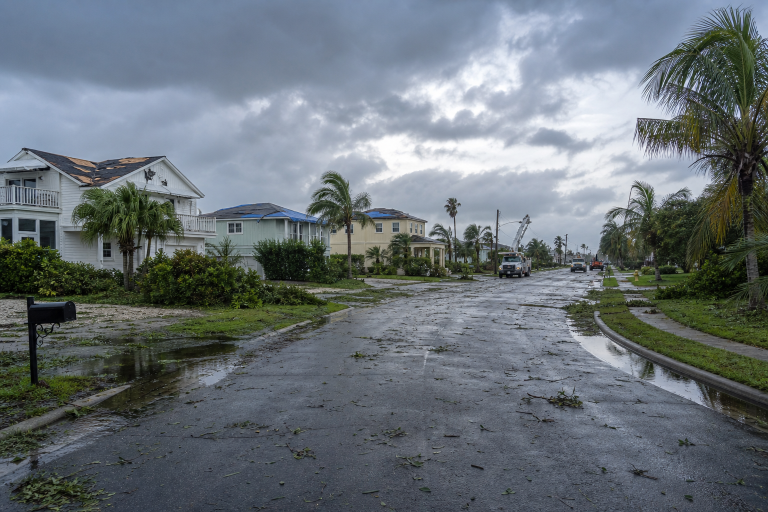
Check The Property From The Ground
Begin with a visual review from the outside. Look at roof edges, shingles, vents, flashing, gutters, siding, soffits, windows, doors, fences, decks, and detached sheds. Check driveways and drainage paths for washouts or blocked areas. If it is safe to enter, continue inside by inspecting the attic, basement, or crawl space for stains, damp insulation, drips, or unusual odors. After the outside review, avoid climbing onto the roof. Wet surfaces, loose shingles, and unseen structural damage can make roof access dangerous. Some problems also appear later, such as a ceiling stain after the next heavy rain.
Document Damage Clearly
Good records can reduce confusion when you speak with an insurer or contractor. Before cleaning up, take wide photos that show each affected area, followed by close photos of broken or displaced materials. Record short videos of active leaks, water flow, or moving branches. Write down the inspection date and keep a room-by-room list of damaged belongings. Save receipts for emergency supplies, temporary lodging, cleanup materials, and repairs. Store copies of photos, notes, and receipts in a cloud folder or email them to yourself in case your phone is lost or the home becomes hard to access.
Prevent Further Damage
Temporary work should protect the home without putting anyone at risk. When safe, place containers under active drips, move dry belongings away from wet areas, and cover a broken window with sturdy material. Remove small amounts of clean surface water only when electricity is not a concern. Keep damaged materials and belongings when practical until they have been documented and reviewed. After these short-term steps, remember that temporary protection is different from permanent repair.
Temporary protection is different from permanent repair. Avoid major demolition, full roof work, or rebuilding until the damage has been photographed and the scope of repair is clear.
Start The Insurance Process
Review your policy and report the loss as soon as reasonably possible. Ask what photos, receipts, estimates, and damaged items the insurer needs. Keep notes from every call, email, inspection, and claim update. Before discarding heavily damaged belongings, ask whether they need to be retained for review. Ask your insurance representative direct questions about your own claim instead of relying on general assumptions.
Deal With Water, Moisture, And Mold Risks
Water needs prompt attention. Find and stop the source when it is safe to do so, then separate wet items from dry ones. Watch for swelling wood, peeling paint, stains, musty odors, damp carpet, and soft drywall. Do not wade through water that may contain sewage or that may be near electrical hazards. As storms can bring damaging winds, lightning, hail, and flash flooding, water may enter a home in several ways. Widespread moisture, visible mold, sewage contamination, and heavily soaked porous materials often require trained professionals and proper protective equipment.
Know When To Call A Professional
Get professional help when the roof, walls, ceiling, foundation, or chimney appears unstable. Other clear warning signs include water reaching electrical systems, a tree striking the house, extensive flooding, sewage contamination, a strong gas odor, or moisture that affects several rooms. When those signs appear, verify licensing and insurance, request a written scope of work, review the contract, and compare estimates when time allows. After that, be cautious of high-pressure offers, vague pricing, large cash requests, or promises about insurance results.
Avoid Common Post-Storm Mistakes
Climbing Onto The Roof
Leave roof inspections and repairs to trained professionals when conditions are unsafe. A fall can turn property damage into a serious personal injury.
Cleaning Before Taking Photos
Document the original condition first whenever safety allows. Photos and notes are easier to collect before debris is moved or wet materials are removed.
Ignoring Small Leaks Or Hiring Too Quickly
A small leak can spread into insulation, drywall, framing, and flooring. At the same time, avoid hiring the first person who arrives at your door. Instead, take time to check credentials and written terms before moving forward.
Common Questions Homeowners Ask
How Soon Should A Homeowner Check For Damage?
Check only after officials say the area is safe. Start with a ground-level review and avoid power lines, floodwater, unstable structures, and roof access.
What If No Damage Is Visible?
Keep watching for ceiling stains, damp odors, drafts, loose gutters, cracked siding, or unusual indoor humidity after the storm.
Can Homeowners Make Temporary Repairs?
Yes, if the work is limited, safe, and meant to prevent additional damage. Permanent repairs should follow a careful inspection and a clear written agreement.
Build A Clear Recovery Plan
Storm recovery in Tampa Bay works best when broken into a series of calm steps. First, put people before property. Then identify hazards, document damage, protect the property, contact the insurer, dry wet areas, and bring in qualified help when needed. From there, a clear plan can reduce stress while helping protect your home, belongings, and family.
Conclusion
Storm recovery in Tampa Bay requires patience, safety, and organized decision-making. First, wait for official clearance before inspecting the property, avoid electrical, structural, gas, and flood-related hazards, and document any damage before moving belongings or beginning cleanup. Then promptly report the loss to the insurer and keep records of photos, receipts, conversations, and repair estimates. Temporary measures may help limit additional damage when they can be completed safely, but major repairs should follow a proper assessment of the property’s condition. Water intrusion, sewage contamination, structural concerns, electrical damage, gas odors, and other serious hazards should be handled by qualified professionals. By taking recovery one step at a time and avoiding unnecessary risks or rushed decisions, homeowners can better organize repairs, protect their household, and address storm-related damage based on the property’s actual needs.



Leave a Reply