High-temperature ovens operate under conditions that ordinary building materials simply are not designed to handle. Whether the heat comes from a commercial kiln, a wood fired pizza oven or a domestic stove, the materials surrounding the combustion chamber must tolerate intense heat without rapidly cracking, weakening or losing their structural integrity. This is where fire bricks become essential.
Unlike standard bricks, fire-resistant bricks are manufactured specifically for high-temperature environments. They offer superior heat resistance, help retain heat within the oven and protect surrounding structures from excessive temperatures. In many applications, they can also improve fuel efficiency by reducing heat loss and maintaining a more stable internal temperature.
For anyone building, repairing or maintaining equipment exposed to high heat, choosing the correct refractory bricks is therefore not simply a matter of durability. It directly affects safety, energy use and overall oven performance.
What Are Fire Bricks and How Do They Work?
Fire bricks, also known as refractory fire bricks, are specialised bricks made from refractory materials capable of withstanding temperatures far beyond those tolerated by conventional masonry products.
Traditional varieties are often produced from fire clay, a material selected for its excellent heat resistance and ability to maintain its strength in extreme conditions. Depending on their composition and intended purpose, high-temperature fire bricks may be designed primarily for heat storage, thermal insulation or a combination of both.
Their main advantage is their capacity to withstand high temperatures without the rapid deterioration that can affect standard bricks. Ordinary masonry can absorb moisture, expand unevenly and suffer cracking when exposed to extremely high temperatures. Refractory bricks, by contrast, are engineered to remain stable in high-temperature applications.
This exceptional heat resistance makes them suitable for ovens, furnaces, fireplaces, kilns, and other heating applications where surfaces are repeatedly exposed to high heat.
Just as importantly, refractory materials help control where the heat goes. Some bricks absorb and store heat, while others provide insulation by slowing heat transfer. The right combination allows an oven to achieve optimal performance while protecting the structure around the hot chamber.
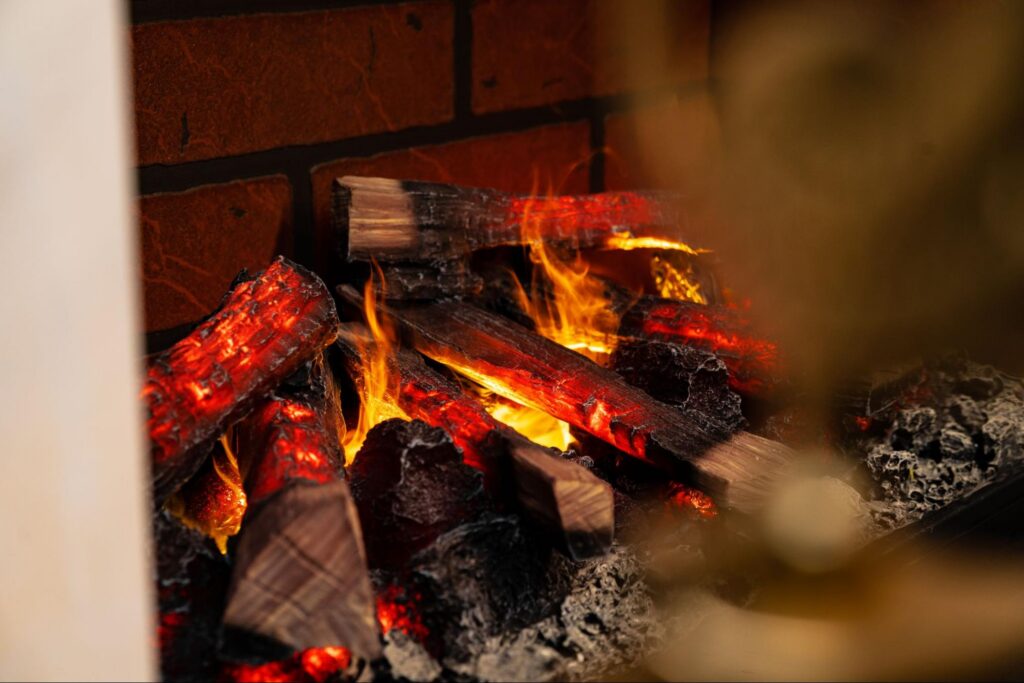
Why Are Fire Bricks Essential in High-Temperature Ovens?
The core purpose of fire bricks is to create a durable thermal barrier between extreme temperatures inside an oven and the materials surrounding it. Their value, however, goes well beyond simple protection.
They Withstand Extreme Temperatures
The interior of an oven, kiln, or furnace can be subjected to extreme temperatures for long periods. In some industrial applications, the operating conditions can be particularly demanding, involving repeated heating cycles and intense heat.
High-quality fire bricks are designed to withstand extreme temperatures while preserving their structural integrity. Certain grades can also withstand extremely high temperatures associated with specialised industrial processes.
This resistance is important because damaged internal linings can expose external materials to high heat, reduce performance and create maintenance problems. Durable materials designed for extreme environments provide a much more reliable solution than ordinary masonry.
They Store and Retain Heat
Another major advantage is excellent heat retention. Dense refractory bricks absorb heat during firing and then release it gradually, helping the oven maintain a consistent internal temperature.
This heat storage capacity is especially useful in wood-fired ovens and pizza ovens. Once the cooking floor and walls are fully heated, the bricks continue to radiate energy even when the fire begins to reduce.
The ability to retain heat improves temperature stability and can make an oven easier to use. Instead of losing large amounts of heat as soon as the fuel supply changes, the refractory lining acts as a thermal reservoir.
They Reduce Heat Loss
Fire bricks can also contribute to thermal insulation. By limiting the amount of energy escaping from the chamber, they help maintain a higher internal temperature while reducing heat loss through the surrounding structure.
This can improve overall efficiency and fuel efficiency. Less energy is wasted heating external materials or the surrounding air, which can mean a more efficient burn and potentially lower energy costs over time.
The exact result depends on the type of brick used, because not all refractory products have the same insulation properties.
Dense, Insulating and Vermiculite Fire Bricks: What Is the Difference?
Different ovens require different thermal properties. Choosing the right brick therefore depends on whether the priority is heat retention, insulation, mechanical strength or a combination of these characteristics.
Dense Fire Bricks
Dense fire bricks have a relatively high thermal mass. They absorb substantial amounts of heat and release it slowly, making them particularly effective where heat retention and heat storage are important.
For this reason, dense materials are commonly used as kiln bricks, oven-floor bricks and stove bricks. They are also suitable for areas that need strong resistance to physical wear.
In a wood-fired pizza oven, for example, dense bricks in the cooking floor can store enough energy to provide the sustained heat required for baking. Their thermal mass helps maintain cooking temperatures between firings and supports consistent performance.
Insulating Fire Bricks
Insulating fire bricks serve a different purpose. They have low thermal conductivity, which means that heat passes through them relatively slowly.
Instead of storing large amounts of thermal energy, these lightweight bricks are primarily used to provide insulation and minimise heat loss. They are often positioned behind a denser hot-face layer in furnaces, kilns and high-temperature ovens.
Good thermal insulation can make the system easier to heat and may reduce the amount of fuel required to maintain the target temperature.
Vermiculite Fire Bricks
Vermiculite fire bricks are lightweight refractory products with strong insulation properties. Vermiculite-based materials can be useful in wood-burning stoves and similar appliances where limiting heat transfer is especially important.
A vermiculite fire lining does not behave exactly like a dense refractory brick, so the two should not automatically be treated as interchangeable. Dense products are generally better where thermal mass is needed, while vermiculite products are typically selected for insulation and lightweight protection.
The correct choice should always reflect the temperature, location, and function of the brick within the appliance.
Where Are Fire Bricks Used?
The combination of heat resistance, durability, and thermal performance makes refractory bricks suitable for a wide range of domestic, commercial and industrial applications.
Pizza Ovens and Wood-Fired Ovens
Pizza ovens are one of the most familiar uses. A wood-fired pizza oven must absorb, retain and distribute heat effectively if it is to produce consistent cooking results.
Fire bricks are commonly used in the floor and dome because they can tolerate direct exposure to flames while storing heat for cooking. In wood-fired ovens, this helps stabilise temperatures after the fire has been moved or allowed to burn down.
They are also widely used in outdoor ovens and outdoor kitchens, where durable construction is important because the oven may face both high internal temperatures and changing external weather conditions.
Wood-Burning Stoves
Wood-burning stoves often use refractory or vermiculite linings to protect the steel or cast-iron body from direct flame exposure.
Appropriate stove bricks can help maintain higher temperatures within the combustion chamber. This supports a more efficient burn while shielding the surrounding appliance structure from extreme heat.
Because stove designs vary, replacement bricks should match the required dimensions and thermal specification of the original lining.
Kilns and Industrial Furnaces
Industrial kilns depend heavily on refractory materials because they operate for long periods at high temperature. Kiln bricks may be used to line chambers involved in ceramics, heat treatment, manufacturing and various industrial processes.
Fire bricks are also important in metal casting and other industrial applications where equipment must remain stable despite continuous exposure to extremely high temperatures.
In these settings, material selection is especially important because failure of the lining can affect productivity, safety, and energy consumption.
Fire Pits and Barbecues
Refractory products may also be used in a suitably designed fire pit or barbecue grill. Any area exposed directly to prolonged flames and high heat can benefit from materials designed for those conditions.
However, the brick should always be appropriate for the intended application. A product suitable for a decorative fireplace may not necessarily have the same thermal specification as one intended for an industrial furnace.
How Fire Bricks Improve Efficiency and Safety
A well-designed refractory lining does more than survive heat. It helps control it.
By keeping more heat inside the chamber, fire bricks reduce energy escaping into surrounding structures. This can improve fuel efficiency, shorten reheating cycles and support a more efficient burn. Over the lifetime of an oven or furnace, reducing heat loss can also contribute to lower energy costs.
There is an environmental benefit as well. When a system uses less fuel to reach and maintain its operating temperature, its environmental impact may also be reduced.
Safety is another important consideration. Refractory linings help prevent excessive temperatures from reaching materials that are not designed for high heat. This can protect the main oven structure and help ensure safety during normal operation.
Using durable materials in the correct locations can also reduce the risk of premature failure. While fire bricks cannot remove every hazard associated with hot equipment, a correctly specified lining can help prevent injury by controlling heat more effectively and reducing the likelihood of structural damage.
For suitable products for ovens, stoves, fireplaces and other heating systems, the Vitcas Shop offers refractory materials designed for a range of high-temperature applications.
Installing and Maintaining Fire Bricks
Correct installation is just as important as selecting the correct product. Before attempting to install fire bricks, the design of the appliance, operating temperature and recommended refractory mortar or fixing system should be considered.
Bricks should fit securely without creating unnecessary stress points. In some installations, allowances must also be made for thermal expansion.
One of the main causes of damage in refractory linings is thermal shock. This occurs when rapid temperature changes create stresses within the material. Repeatedly heating a cold oven too aggressively or exposing a very hot refractory surface to sudden cooling can shorten the service life of the lining.
Regular inspection is therefore worthwhile. Damaged bricks with significant cracks, crumbling surfaces or movement may no longer provide the required level of protection. Replacing them early can help maintain insulation, heat retention and structural stability.
Proper maintenance supports long-term performance and helps ensure durability under demanding conditions.
Frequently Asked Questions About Fire Bricks
Can fire bricks improve the efficiency of an oven?
Yes. Fire bricks can improve efficiency by helping retain heat, reducing heat loss and maintaining more stable internal temperatures. In well-designed systems, this can reduce the amount of fuel required to keep the oven hot.
Can standard bricks replace refractory bricks?
Generally, standard bricks should not replace refractory bricks in areas exposed directly to intense heat. Ordinary masonry is not designed to withstand the same extreme temperatures or repeated heating cycles as purpose-made fire-resistant bricks.
Do all fire bricks provide the same level of insulation?
No. Dense fire bricks are mainly valued for strength and heat storage, whereas insulating fire bricks and vermiculite products are designed to limit heat transfer. The correct product depends on the application.
Are fire bricks cost-effective?
They can be highly cost-effective because their durability, heat resistance and insulation performance may improve efficiency and extend the life of an oven or stove. When comparing products, it is better to consider temperature rating, material type and intended use rather than focusing only on the regular price.
Choosing the Right Fire Bricks for Long-Term Performance
Fire bricks are essential in high-temperature ovens because they combine excellent heat resistance with the ability to protect, insulate and stabilise the heated chamber. Depending on the type selected, they can retain heat, reduce energy loss and withstand the extreme conditions created by repeated firing.
From pizza ovens and wood stoves to industrial kilns and metal casting furnaces, the correct refractory lining plays a central role in efficiency, safety, and durability.
For the best results, fire bricks should be chosen according to the oven’s operating temperature, construction, and purpose. A properly specified refractory system supports optimal performance while helping the equipment cope safely with high heat for years of use.




Leave a Reply