Cooler mornings and shorter daylight hours shift a plant collection’s needs as fall arrives. A few adjustments this time of year keep leaves full and roots healthy through the transition into winter. Here is the routine that carries a 50-plus plant collection through the season.
Adjust the Watering Schedule
Shorter days and cooler temperatures slow down plant growth, so soil stays damp for longer between waterings. Check the top two inches of soil before reaching for the watering can, and stretch out the schedule as fall progresses. Pothos, snake plants, and other easy-care varieties handle this shift with ease.
Move Plants Away from Drafts
Windows and doors let in cold air as temperatures drop outside, and many plants respond with yellowing or dropped leaves near these spots. A few feet of distance from drafty windows and exterior doors keeps leaves full and green through the season. Interior walls and hallways offer steadier, more consistent temperatures.
Increase Humidity Indoors
Heating systems dry out indoor air fast once fall arrives, and tropical plants like philodendron and peace lily notice the difference right away. Grouping plants together creates a small humidity pocket, and a simple pebble tray under pots adds moisture as water evaporates. A humidifier nearby works well for a larger collection.
Clean the Leaves
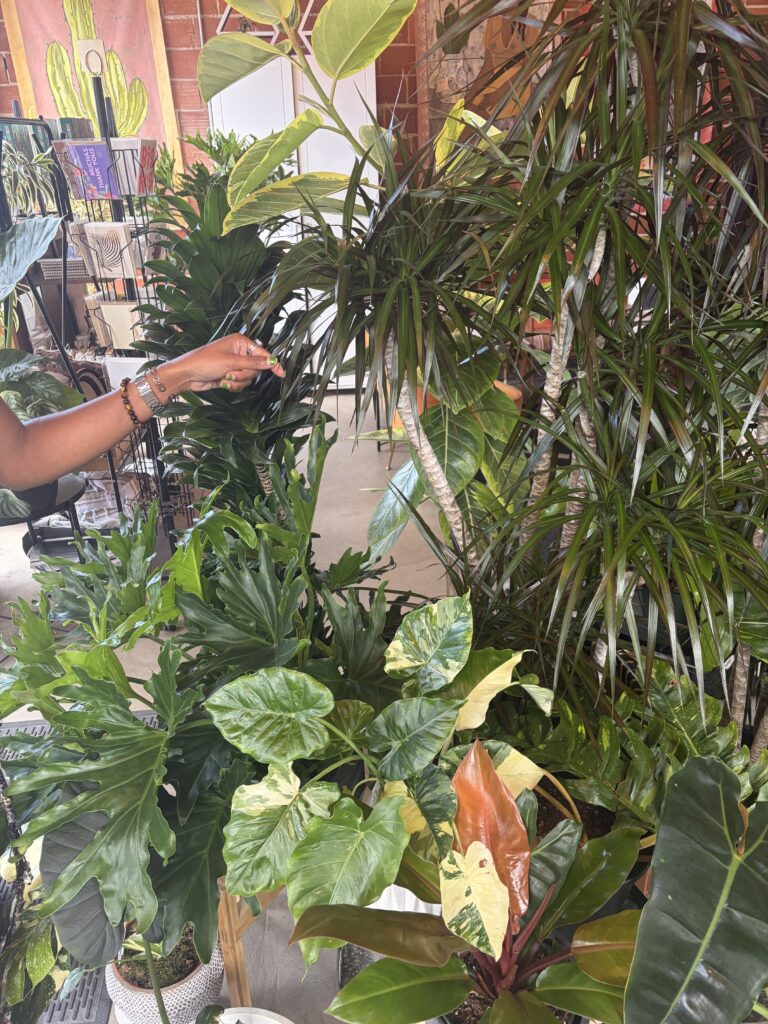
Dust builds up on leaves over the summer months and blocks the light plants need as daylight hours shrink. A damp cloth wiped across each leaf restores shine and lets in more of the available light. This simple step takes minutes and makes a visible difference within days.
Hold Off on Fertilizing
Growth naturally slows as plants settle into their fall and winter rhythm, so fertilizer becomes less necessary during this stretch. Pausing feeding from October through late winter gives roots a rest and prevents a buildup of unused nutrients in the soil. Regular feeding picks back up once spring growth returns.
Check Outdoor Plants Before Bringing Them In
Plants that spent summer on a patio or balcony often carry hitchhiking pests into the house. A close look at the undersides of leaves and along the stems catches most issues early, and a gentle rinse under the sink handles the rest. This quick check protects the rest of an indoor collection from spreading problems.
Rotate Plants Toward Available Light
The sun sits lower in the sky through fall, and light patterns shift across a room throughout the day. Turning pots a quarter turn each week keeps growth even on all sides instead of leaning toward one window. South and west-facing spots offer the most reliable light as the season continues.
Quick Fall Checklist
- Watering: Check soil before watering, stretch out the schedule
- Placement: Move pots away from drafty windows and doors
- Humidity: Group plants together or add a pebble tray
- Leaves: Wipe down with a damp cloth for better light absorption
- Fertilizer: Pause from October through late winter
- Pests: Inspect outdoor plants closely before bringing them inside
- Light: Rotate pots weekly as the sun angle shifts