Table of Contents:
- Understanding the Modern Heritage Style
- Neutral Base
- A Few Vintage Furniture Pieces
- Modern Features
- Balancing Textures and Materials
- Curating Decorative Accessories
- Embracing Sustainable Choices
- Conclusion
Combining vintage and contemporary furniture can create an ageless design for interiors. The combination of the two provides an eclectic look to the interior and offers the homeowner a diverse selection of home furnishings to select for the various rooms, thus making every room in the house feel warm and welcoming. To find the vintage or contemporary pieces that will assist you in creating your desired blend of vintage or contemporary furnishings, shop furniture at Antique Farmhouse, which has a large selection of both.
Announcing the right pieces to blend together to create a cohesive design allows the homeowner to easily blend traditional interiors with contemporary interiors. There are many ways to blend traditional and contemporary styles, for example, when working to create a cohesive design, start from a neutral color base and use different types of materials and textures to achieve the completed design. There are various techniques available to assist the homeowner in achieving a timeless design when either upgrading a room or an entire home. These are primarily based on combining the styles of vintage and modern elements, thus adding visual interest to the room and creating a warm, inviting environment, by creating a thoughtful and eclectic home.
Understanding the Modern Heritage Style
The modern heritage design is a style that is designed to connect both the past and present within the same interior design concept. It celebrates both craftsmanship and the use of natural materials, and designs with heritage motifs, yet combines them into the modern design using modern shapes and clean lines as well as minimally restrictive color palettes. The use of mixed media, for example, using solid wood combined with stone, velvet, metallic, or glass, makes the design more interesting. In modern heritage interior designs, the objective is not to duplicate the design goal of a room but to reinterpret the historical parts of the room in a way that accommodates today’s world. In essence, the modern heritage design uses elements of the historical past to create contemporary living areas that work together. To find out more details about the contemporary decorators’ interior design style, please see the Good Housekeeping guide.
Neutral Base
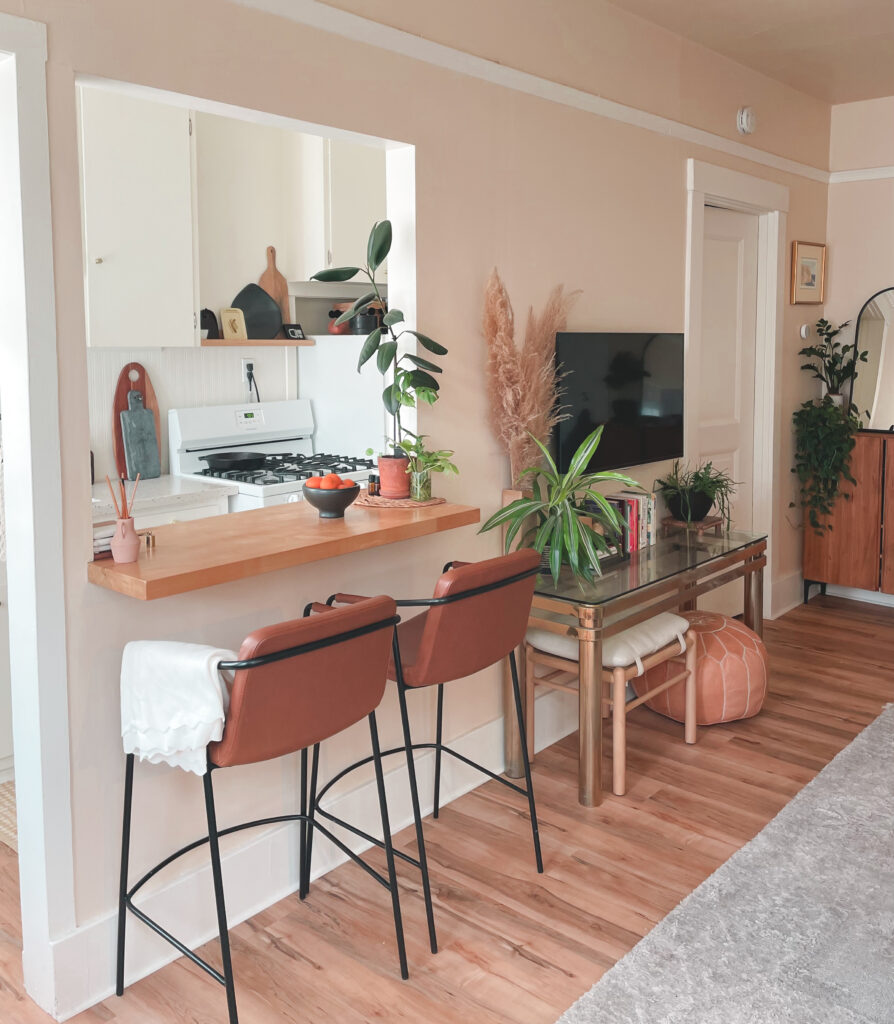
To successfully merge your old and new design pieces, it is crucial to have a neutral base for your design to build on. The best way to achieve that is to utilize a variety of neutral colors (in soft versions such as white, cream, taupe, and gray). Not only do these neutral colors create an excellent base for showcasing your statement (modern and antique) pieces, but they will also help you to create a consistent feel to your entire house with your neutral artwork, flooring materials, and larger furniture pieces.
Once you have a neutral base in place, it is then time to add color from the natural environment (i.e. sand, clay, slate) to your furnishings; this will create a warm and inviting atmosphere in your home. Since colors from nature do not go out of style, they will provide you with years of enjoyment and value. As homeowners know, these colors add to the versatility of your design.
A Few Vintage Furniture Pieces
Incorporating a few vintage items throughout your home can add warmth, character, history, and craftsmanship to your home. These vintage items should have quality construction and timeless design features; for example, mid-century modern lounge chairs, rustic farmhouse tables, and ornate antique mirrors are all timeless items that offer a unique character to the design of a home.
While it can be a great pleasure to collect furnishings from different times in history, in order to have your home take on a “collected” look it is important to choose furnishings that have a commonality (i.e. matching wood tones or similar shapes). This gives your home the opportunity to present itself as a collection rather than a contradiction.
Modern Features
One or two really nice antiques will ensure there is balance between your furnishings and assist with presenting your design’s visual/aesthetic weight without overwhelming. The contemporary contrast to the other items in your home will improve the visual interest while providing you with a way to create an overall feel that is less like a museum. Contemporary furniture (e.g., modern sofa, straight lined side tables, geometrically shaped light fixtures) used together with vintage pieces will deliver a very contemporary and current feel. For example, the combination of placing a cylindrical glass coffee table or an upholstered chair beside an old, distressed wood china hutch creates an exciting opportunity to enhance both of these furniture pieces through the design aspect of pairing those two styles of furniture.
When selecting contemporary furniture, look for simple lines and minimal decoration so that they provide balance to the ornate look of your vintage pieces. The use of modern design will provide functional accessories and connect the room with the current time by being functional, comfortable, and aesthetically appealing.
Balancing Textures and Materials
The texture of your decor is very important for the look and feel of your space; it adds visual interest and variety by providing different dimensions and balances through its playfulness and contrast. For example, placing a nubby wool rug next to a smooth leather chair or putting an iron lamp on top of a distressed wood desk will completely change the feeling of a room. In addition to using contrasting textures, using a mix of material types (such as acrylic and brass, or velvet and rattan) will also enhance the dimensional quality of your decor and create a warm and friendly space.
When using accessories in your space, think about how the tactile characteristics of each accessory create an additional sensory experience in the room. Each accessory should be used to complement the other accessories in the room instead of competing for attention; therefore, to create balance in the design, repeat key colors or finishes throughout the space.
Curating Decorative Accessories
Accessories are key components in linking multiple design styles. For example, use art, book vignettes, and unique decorative pieces to create continuity between two styles of design. For example, try placing a contemporary abstract work of art inside of an antique gilded frame or layering an antique Persian rug underneath a glass-topped coffee table. These examples of thoughtful pairings will draw attention to one another and create a sense of personality and interest in the room, without making the room feel cluttered.
Make sure your collections reflect your personal style and are curated with care; only display pieces that you love. This way, your decor will be true to you and not just random objects on the shelf.
Embracing Sustainable Choices
Choosing to acquire pieces that are both stylish and environmentally responsible will be both aesthetically pleasing and functionally responsible. Purchasing restored wood furniture, vintage furniture, or reused decorative objects and giving new life to existing quality material reduces overall waste. Eco-friendly choices can be as simple as re-staining a family heirloom or purchasing vintage or reused items from a local shop.
In addition to their positive environmental impact, choosing to decorate your home with reused materials gives your space its own identity, as each reused item has a unique story that contributes to the essence of timelessness for your space. For more inspiration on how to incorporate reused decorative materials in your home, refer to the Los Angeles Times’ article about reclaiming eco-friendly accessories.
Conclusion
Accidental blendings of vintage with modern furnishings will happen, but progressing into an interactive process takes time and some experimentation. When designing the interior for your residence, start with a peaceful and serene foundation, select your statement pieces carefully, and blend different textures, finishes and styles together so that you have the luxurious feeling of a rich environment, which will continue to develop as your residence ages. By blending together the pieces you love from both the past and the present in a harmonious manner, you can create a home that is both unlike other homes and invitingly unique.