California is one of the best states in the country for hiking, and these six trails prove it. Each one has a landscape, a feature, or a moment on the trail that makes you stop and think — this is why I do this. Here are six California trails worth knowing about, each one distinct, each one personal.
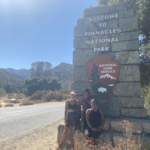
1. Pinnacles National Park — Bench Trail
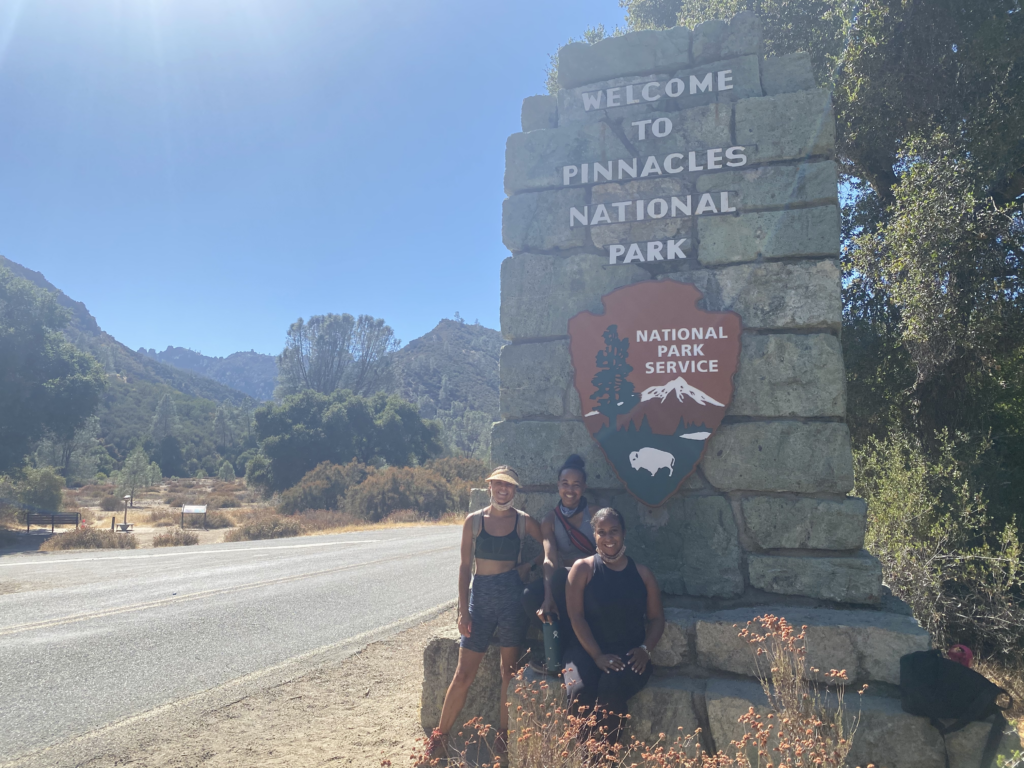
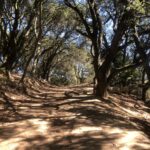
What makes Pinnacles unique is the landscape itself. The park was formed from an ancient volcano, and hiking through it feels genuinely otherworldly — towering rock spires, narrow talus caves carved through the boulders, and a terrain that shifts from open grassland to wooded canyon to rocky ridge within a single trail. The Bench Trail is a great introduction to all of it. The route weaves through the varied landscapes — shaded tree canopies, rocky hillsides, open viewpoints — and builds to a peak with sweeping views of the park.
It is about two hours south of Oakland and makes for a solid day trip. Spring is the best time to go: wildflowers are out, temperatures are manageable, and the cave trails are running. Summer heat in this park is serious, so plan your timing accordingly.
What makes it special:
• One of the only national parks built on ancient volcanic rock — the formations are unlike anything else in California
• Talus caves you actually hike through, with boulders stacked overhead
• California condors — one of the rarest birds in North America — nest here and circle the ridgeline
2. Point Reyes National Seashore — Lighthouse Trail
The Point Reyes Lighthouse trail is short, but the destination earns it a spot on any California hiking list. The lighthouse sits at the far western tip of the Point Reyes peninsula, which juts further into the Pacific than any other point on the California coast. The trail leads out to a dramatic cliff edge, with water views on both sides, then takes you down a long, narrow staircase — 300 steps — to the lighthouse itself. The buildings are still intact, full of historical detail, and the views from the bottom are completely different from the ones at the top.
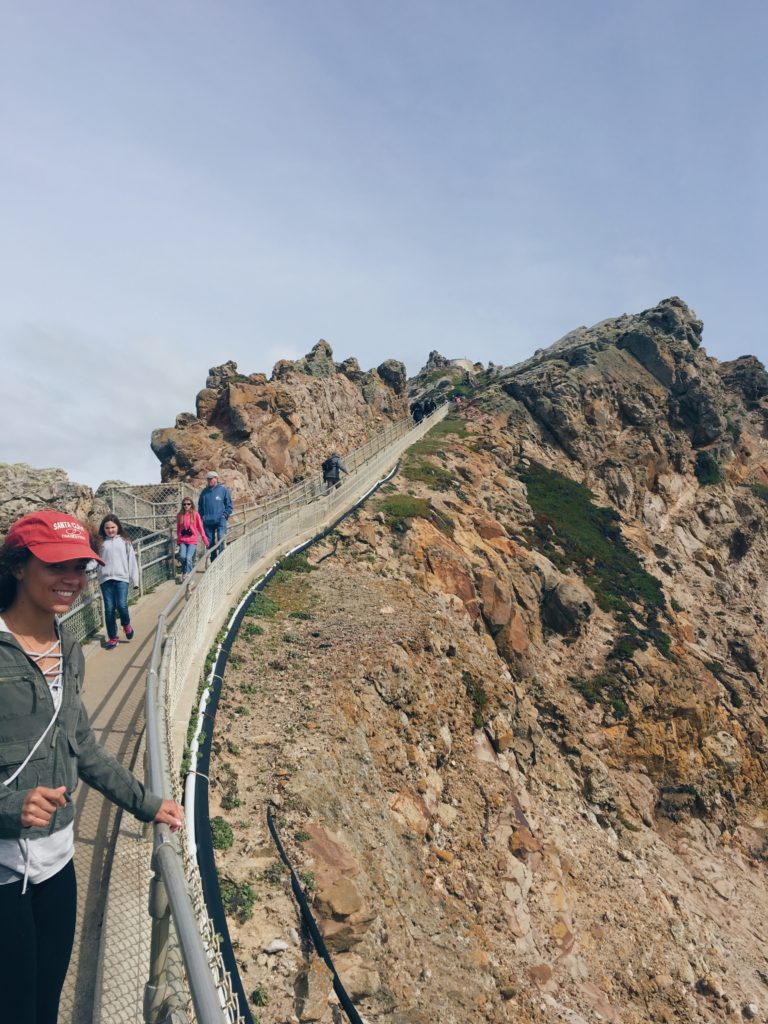
The drive in is part of the experience. Sir Francis Drake Boulevard winds 20 miles through the park, past dairy farms with free-roaming cows crossing the road, to the lighthouse parking area. Download your maps before you go — cell service drops early on the drive in.
What makes it special:
• One of the windiest spots on the entire West Coast — the lighthouse was built here because of the dangerous fog and surf conditions
• Water views on both sides of the peninsula from the cliff trail
• A working piece of California maritime history at the bottom of 300 steps
3. Yosemite National Park — Mirror Lake Loop
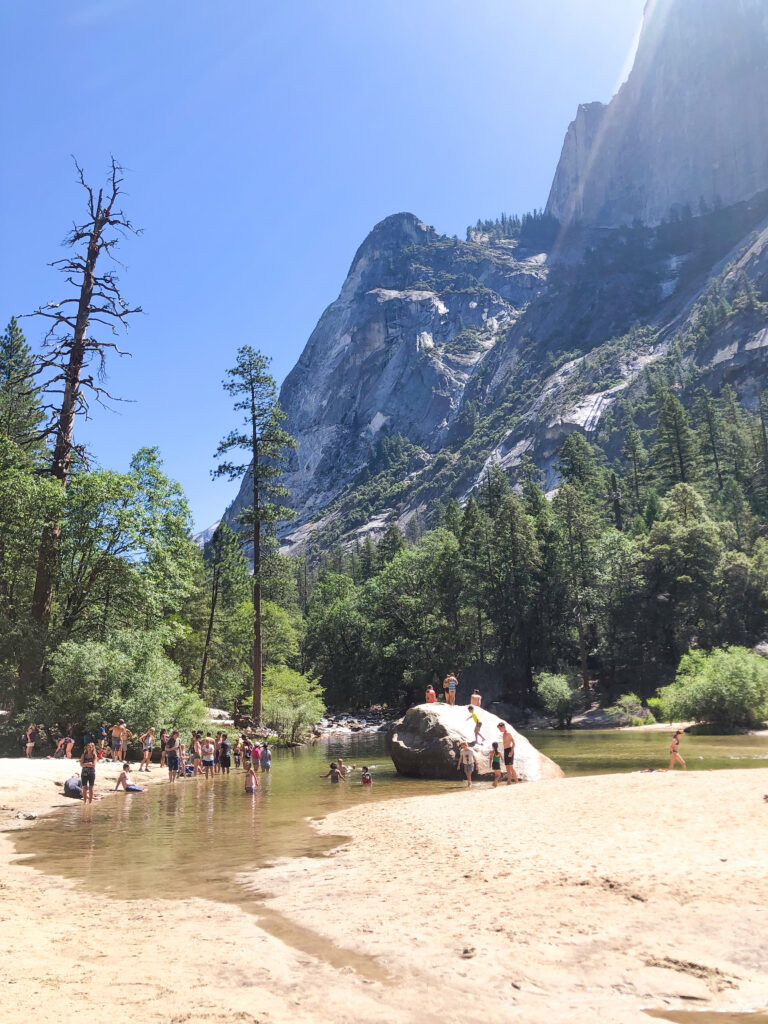
Yosemite is one of the most visited national parks in the country, and the Mirror Lake Loop is the trail that captures what makes the valley special without requiring serious elevation or technical skill. The trail winds through a forested corridor alongside a creek running fast with snowmelt in spring, past towering conifers, to a wide sandy beach at the lake with a massive granite dome rising straight out of the tree line. The whole loop is about 5 miles, mostly flat, and the payoff is one of the most photographed views in the park.
Spring is the ideal season — the lake is full, the creek is loud, and the valley is at its greenest. The valley floor is an amazing starting point with iconic mountain views, easy trails, and water views around almost every bend. Start early to get the trail to yourself before midday.
What makes it special:
• Mirror Lake reflects the granite dome above it — the kind of view that earns its name
• A sandy beach at the end of a forest trail, which is genuinely unexpected in Yosemite
• Accessible for most fitness levels while still delivering a full, satisfying day on the trail
4. Joshua Tree National Park — Skull Rock, Hidden Valley & Cholla Cactus Garden
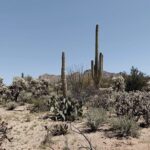
Joshua Tree is the kind of park that rewards people who move slowly through it. The landscape sits at the meeting point of two desert ecosystems — the Mojave and the Colorado — which means it shifts as you drive and hike through it. The Joshua trees themselves are unlike anything else in California: massive, sculptural, ancient-looking plants that grow in dense groves across the park. Add in the boulder formations, the wide-open skies, and some of the best stargazing in Southern California, and it earns its reputation quickly.
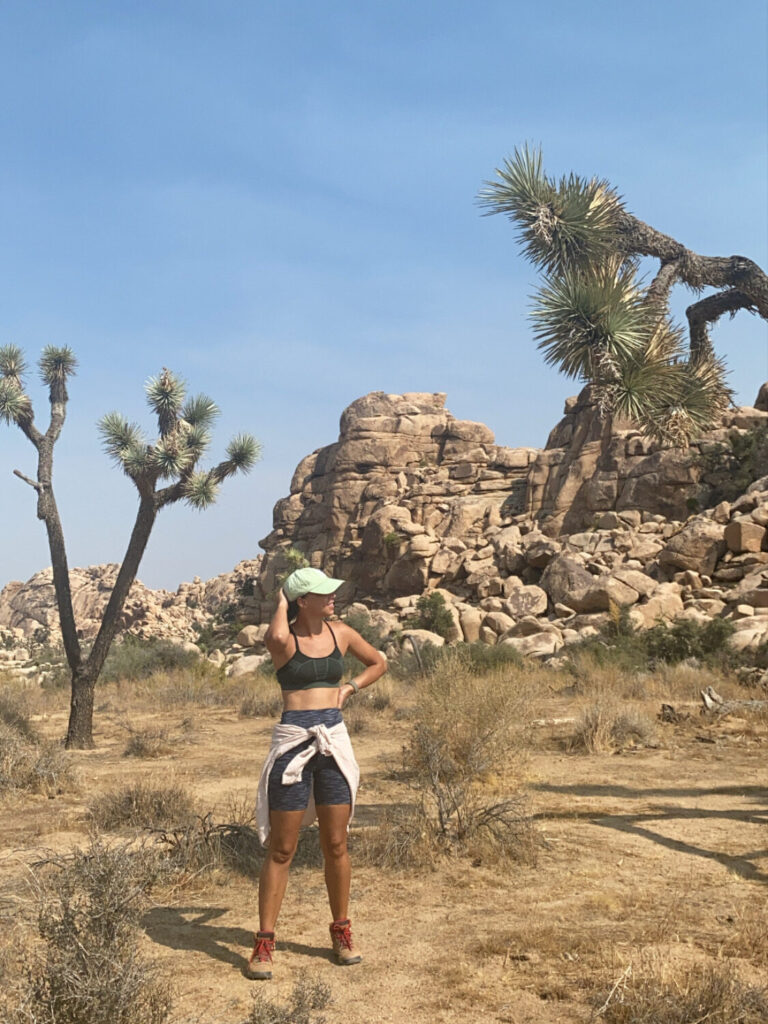
The park is visitor-friendly with a main road that puts you close to the top stops. Skull Rock, Hidden Valley, and the Cholla Cactus Garden are all worth building your day around. Winter and early spring are the ideal seasons — temperatures are manageable and wildflower blooms can be spectacular. Sunrise here is something you plan your whole morning around.
What makes it special:
• Two desert ecosystems converging in one park — the landscape visibly shifts as you move through it
• Skull Rock is a natural granite formation that looks exactly like what it sounds like, right off the main trail
• Dark skies at night make it one of the best stargazing destinations in California
5. Big Basin Redwoods State Park — Berry Creek Falls Trail
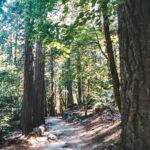
Big Basin is the oldest state park in California, and the Berry Creek Falls Trail is its best hike. The route is 11 miles through old-growth redwood forest, up and down through canyons and ridge tops, and ends at a series of waterfalls that arrive one after another. Golden Falls first, then Cascade Falls and Silver Falls, then the finale: Berry Creek Falls, a 65-foot drop straight into a pool at the bottom, with a viewing platform that puts you right at eye level with the falling water.
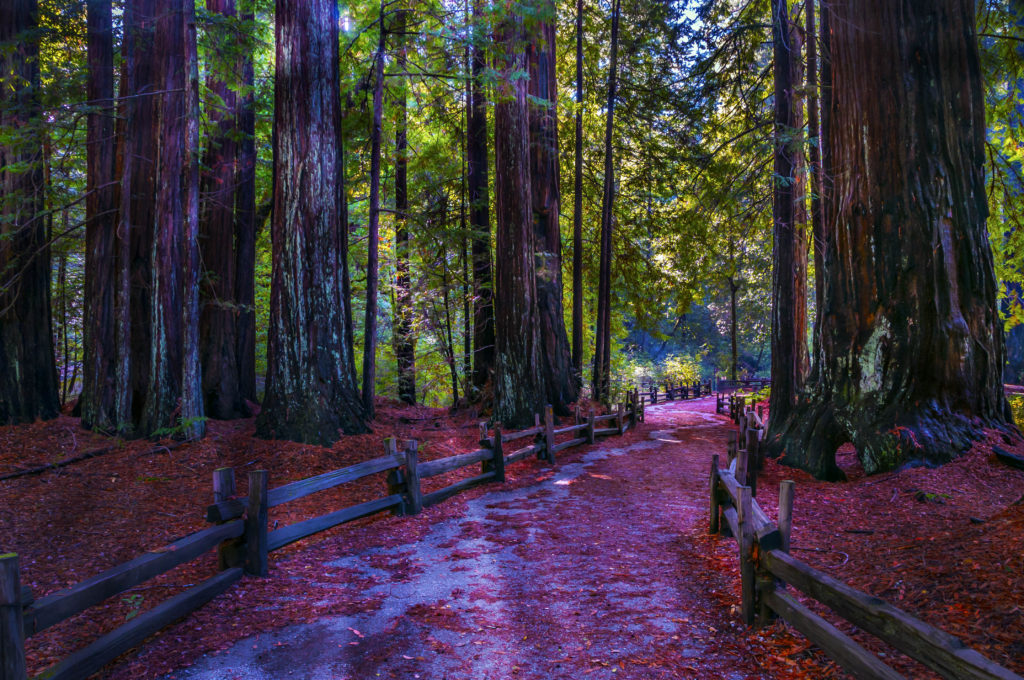
The massive redwood trees throughout make every mile worth it even before the waterfalls arrive. The trail stays mostly shaded and cool even in summer. Start by midday at the latest — rangers advise heading out early enough to complete the full loop with daylight to spare.
What makes it special:
• Three waterfall payoffs in a single trail — Golden Falls, Silver Falls, and Berry Creek Falls at 65 feet
• Old-growth redwoods lining the entire route, some of the most impressive in the Bay Area region
• The viewing platform at Berry Creek Falls puts you directly at eye level with the drop
6. Alamere Falls, Point Reyes — Palomarin Trailhead
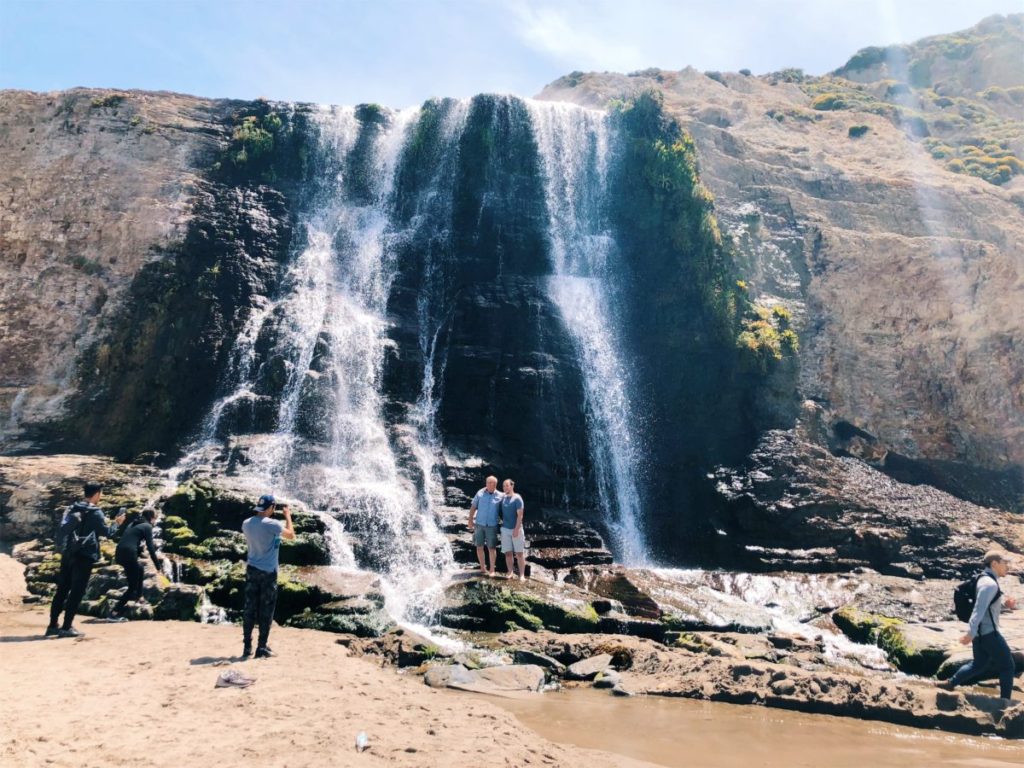
Alamere Falls is one of the rarest things you can see on a California hike: a tidefall waterfall, meaning it drops directly off a coastal cliff onto the beach below and flows straight into the ocean. There are only a handful of tidefalls in the world, and this one is right in the Bay Area backcountry. The hike covers about 8 to 9 miles round trip and moves through a series of completely different environments — wooded trails, cliffside ocean views, calm lakeside stretches, and overgrown coastal vegetation — before a narrow final section that ends in a short rock scramble down to the beach.
Start before 10am to secure parking at the Palomarin Trailhead. Wear long sleeves and pants for the overgrown sections — there is poison oak along portions of the trail. Hiking boots with good traction are important, especially for the descent to the lower falls. The hike back along the beach adds mileage but offers a flatter, easier exit.
What makes it special:
• One of the only tidefall waterfalls in California — the water drops off the cliff directly onto the beach and into the ocean
• The trail moves through five or six distinct landscapes in a single hike — coastal cliffs, lake shores, forest, beach
• The beach at the base of the falls feels completely remote, a real end-of-the-trail reward
California has trails for every kind of hiker, and these six each have something that sets them apart. Save this list for your next planning session and let me know in the comments which one is at the top of your list.